
NITROGEN FERTILIZERS
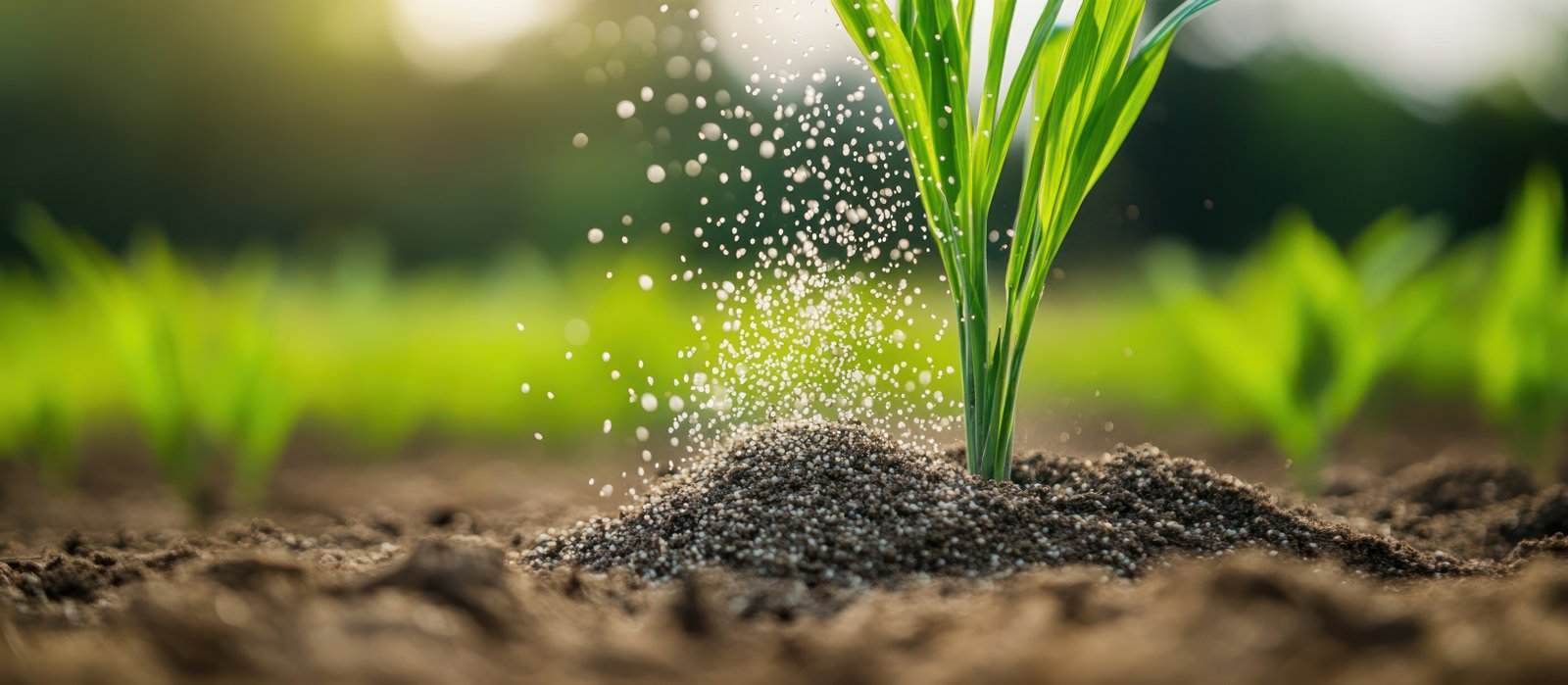
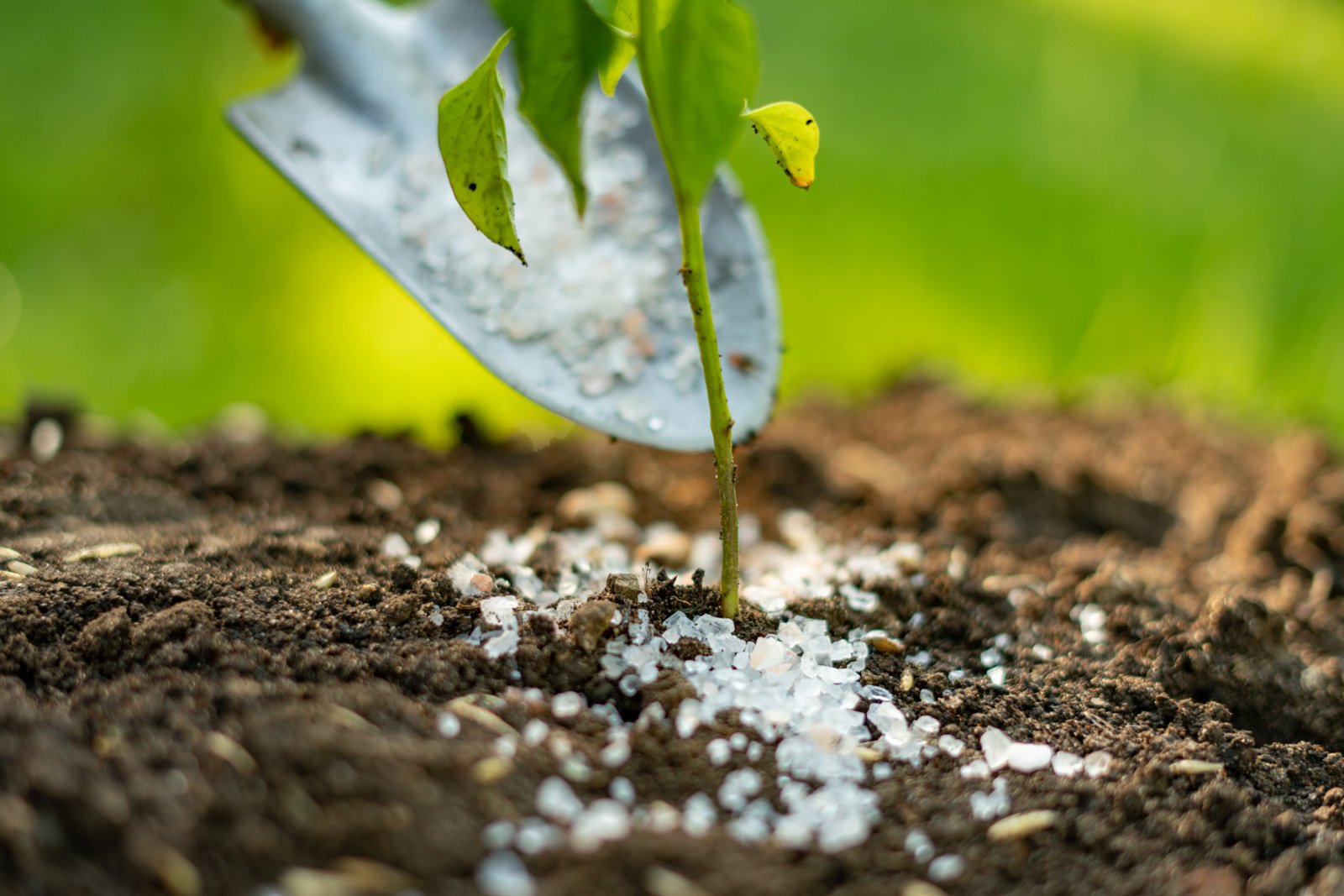
Nitrogen Fertilizers are agricultural inputs that supply nitrogen (N)—an essential nutrient required for plant growth, chlorophyll formation, and protein synthesis. Nitrogen is a key driver of leaf development, crop vigor, and yield, making nitrogen fertilizers the most widely used fertilizers in modern agriculture. These fertilizers are manufactured primarily from atmospheric nitrogen through industrial processes and are available in solid and liquid forms to suit different crops, soils, and farming practices.
PHOSPHATIC FERTILIZERS
Phosphatic fertilizers are chemical or mineral-based fertilizers that supply phosphorus (P), one of the three primary plant nutrients (N-P-K). Phosphorus plays a vital role in root development, energy transfer (ATP), photosynthesis, flowering, seed formation, and overall plant vigor. These fertilizers are mainly produced from phosphate rock through chemical processing and are widely used in agriculture to improve soil fertility and crop productivity.
POTASH FERTILIZERS
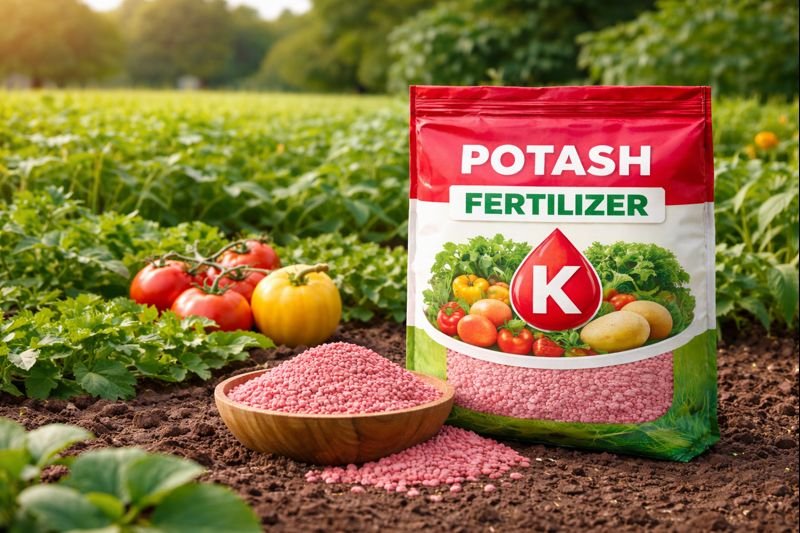
Potash fertilizers are potassium-based fertilizers that supply potassium (K), one of the three primary plant nutrients essential for growth, stress resistance, and crop quality. Potassium regulates water balance, enzyme activation, photosynthesis, and nutrient transport within plants. Common potash fertilizers include Muriate of Potash (MOP – KCl), Sulphate of Potash (SOP – K₂SO₄), and Potassium Nitrate (KNO₃).